




The Humboldt Redwood Gallery uses
hand selected redwood from the
Humboldt Mill located in the world
famous Humboldt Redwood Forest.

All of our Art and Redwood products
are hand crafted in Humboldt County
California United States Of America




cCopyright 2026 THRG All rights reservedc


History Of The Redwoods
Redwoods once grew throughout the Northern Hemisphere. The
first redwood fossils date back more than 200 million years to
the Jurassic period. Before commercial logging and clearing
began in the 1850s, coast redwoods naturally occurred in an
estimated 2 million acres (the size of three Rhode Islands) along
California’s coast from south of Big Sur to just over the Oregon
border. When gold was discovered in 1849, hundreds of
thousands of people came to California, and redwoods were
logged extensively to satisfy the explosive demand for lumber
and resources. Today, only 5 percent of the original old-growth
coast redwood forest remains, along a 450-mile coastal strip.
Most of the coast redwood forest is now young. The largest
surviving stands of ancient coast redwoods are found in
Humboldt Redwoods State Park, Redwood National and State
Parks and Big Basin Redwoods State Park.
The native people of California did not typically cut down coast
redwoods, but used fallen trees to make planks for houses and
hollowed out logs for canoes. The natives also regularly used
common redwood forest plants. Read more about uses of
redwood forest plants through our Redwood Forest Plant Guide.
Biology
The coast redwood is one of the world’s fastest-growing conifers, or cone-bearing trees. In contrast to the tree’s size, redwood cones
are very small — only about an inch long. Each cone contains a few dozen tiny seeds: it would take well over 100,000 seeds to weigh a
pound! In good conditions, redwood seedlings grow rapidly, sometimes more than a foot annually. Young trees also sprout from the
base of their parent’s trunk, taking advantage of the energy and nutrient reserves contained within the established root system.
Frequent, naturally occurring fires play an important role in maintaining coast redwood forests because they rid the forest floor of
combustible materials. Forest fires create space for redwood seedlings (and other plants) to grow. In contrast, decades of fire
suppression practices usually result in the accumulation of dead plant material that may fuel intense, destructive fires.
Redwoods can usually survive natural forest fires because of their thick (up to 12 inches), protective bark. Redwoods get their name
from the beautiful reddish hue of their bark. Redwood bark is soft, fibrous and rich in tannins (which help prevent insect damage). You
can learn more about the impact of fire on our redwood and sequoia forests through our blog.
Where coast redwoods live, temperatures are moderate year-round. Heavy rains provide the trees with much-needed water during the
winter months and dense summer fog contributing moisture to the forest during the dry summer months. Redwoods even create their
own “rain” by capturing fog on their leaves. The coastal fog condenses on redwood needles creating water droplets. Some of the water
is absorbed by the needles and some drips to the ground, providing water to the redwood forest understory. You can learn more about
the relationship of redwood forest plants and fog through our research grants.
In recent years, scientists have discovered that life abounds in the canopy (the tops of old trees) and on the forest floor. Canopy
research supported by Save the Redwoods League has revealed that many species can live in the redwood canopy, including worms,
salamanders and plants such as Sitka spruce, ferns and huckleberry.
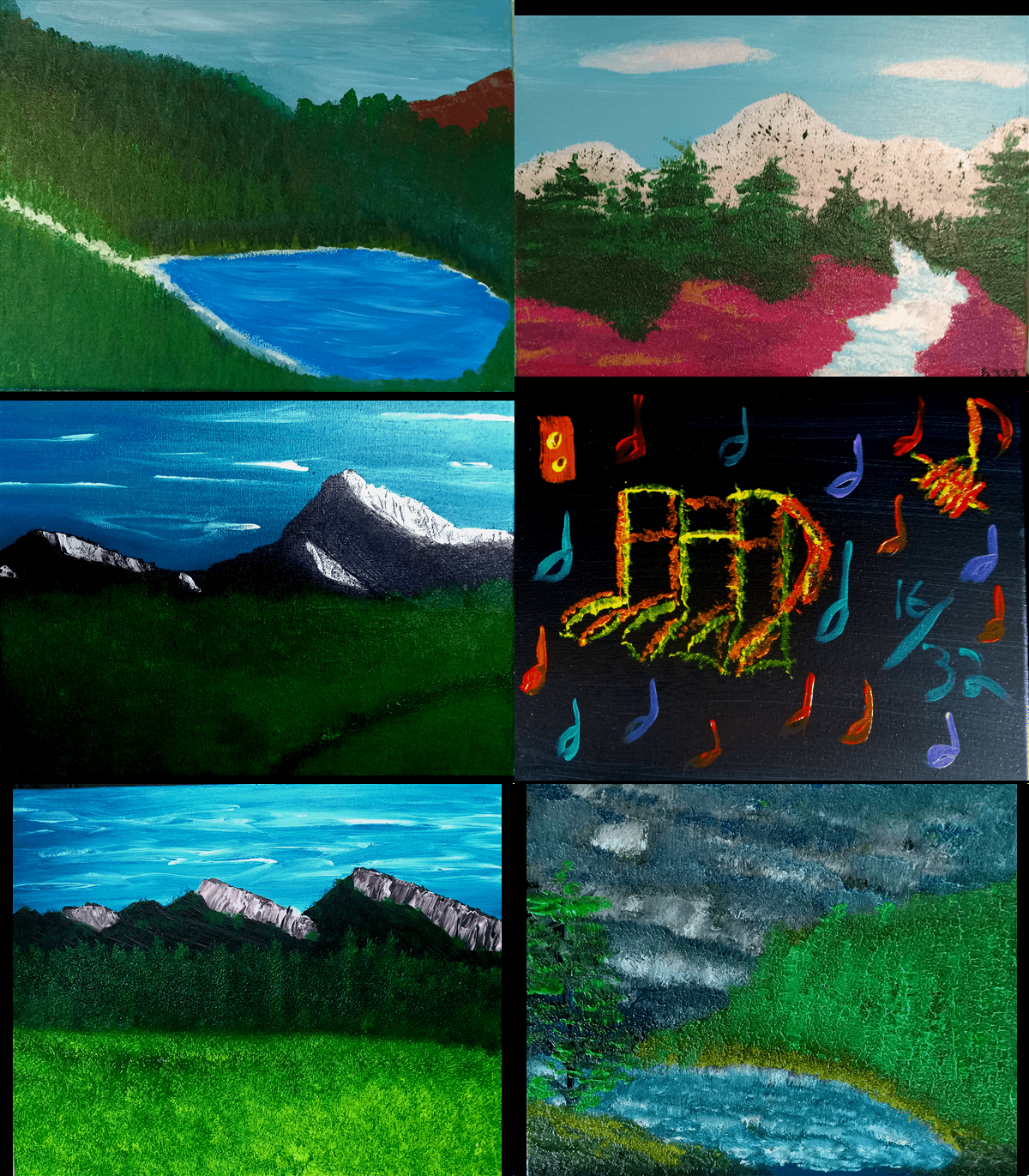
Bruce Brown Eureka,
Humboldt California
Artist/Muscian

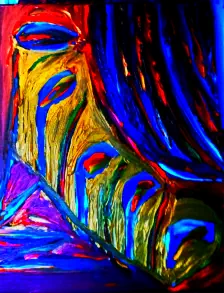
Bookends


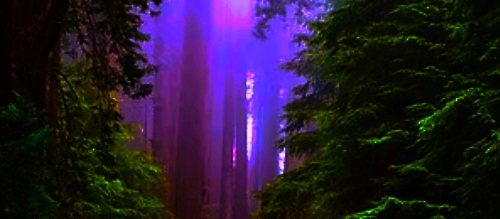



he Humboldt Redwood Gallery uses
hand selected redwood from the
Humboldt Mill located in the world
famous Humboldt Redwood Forest.

All of our Art and Redwood products
are hand crafted in Humboldt County
California United States Of America



World Wide Shipping
cCopyright 2026 THRG All rights reservedc



History Of The Redwoods
Redwoods once grew throughout the
Northern Hemisphere. The first redwood
fossils date back more than 200 million
years to the Jurassic period. Before
commercial logging and clearing began
in the 1850s, coast redwoods naturally
occurred in an estimated 2 million acres
(the size of three Rhode Islands) along
California’s coast from south of Big Sur
to just over the Oregon border. When
gold was discovered in 1849, hundreds
of thousands of people came to
California, and redwoods were logged
extensively to satisfy the explosive
demand for lumber and resources.
Today, only 5 percent of the original old-
growth coast redwood forest remains,
along a 450-mile coastal strip. Most of
the coast redwood forest is now young.
The largest surviving stands of ancient
coast redwoods are found in Humboldt
Redwoods State Park, Redwood National
and State Parks and Big Basin Redwoods
State Park.
The native people of California did not
typically cut down coast redwoods, but
used fallen trees to make planks for
houses and hollowed out logs for
canoes. The natives also regularly used
common redwood forest plants. Read
more about uses of redwood forest
plants through our Redwood Forest Plant
Guide.
Biology
The coast redwood is one of the world’s
fastest-growing conifers, or cone-bearing
trees. In contrast to the tree’s size,
redwood cones are very small — only
about an inch long. Each cone contains a
few dozen tiny seeds: it would take well
over 100,000 seeds to weigh a pound! In
good conditions, redwood seedlings
grow rapidly, sometimes more than a
foot annually. Young trees also sprout
from the base of their parent’s trunk,
taking advantage of the energy and
nutrient reserves contained within the
established root system.
Frequent, naturally occurring fires play
an important role in maintaining coast
redwood forests because they rid the
forest floor of combustible materials.
Forest fires create space for redwood
seedlings (and other plants) to grow. In
contrast, decades of fire suppression
practices usually result in the
accumulation of dead plant material that
may fuel intense, destructive fires.
Redwoods can usually survive natural
forest fires because of their thick (up to
12 inches), protective bark. Redwoods
get their name from the beautiful reddish
hue of their bark. Redwood bark is soft,
fibrous and rich in tannins (which help
prevent insect damage). You can learn
more about the impact of fire on our
redwood and sequoia forests through
our blog.
Where coast redwoods live, temperatures
are moderate year-round. Heavy rains
provide the trees with much-needed
water during the winter months and
dense summer fog contributing moisture
to the forest during the dry summer
months. Redwoods even create their own
“rain” by capturing fog on their leaves.
The coastal fog condenses on redwood
needles creating water droplets. Some of
the water is absorbed by the needles and
some drips to the ground, providing
water to the redwood forest understory.
You can learn more about the
relationship of redwood forest plants and
fog through our research grants.
In recent years, scientists have
discovered that life abounds in the
canopy (the tops of old trees) and on the
forest floor. Canopy research supported
by Save the Redwoods League has
revealed that many species can live in
the redwood canopy, including worms,
salamanders and plants such as Sitka
spruce, ferns and huckleberry.

Bruce Brown Eureka,
Humboldt California
Artist/Muscian
Bookends